
Past client · Canadian Wildlife Service
Canada · Priority Places for Species at Risk
We measured what a national biodiversity program had no way to see: whether its stakeholder networks were actually working.
Social-Ecological Intelligence
Two sites with identical hazard maps can warrant opposite decisions. Dialectik's independent, peer-reviewed measurement covers both halves of that question — the state of nature, and the human networks that determine what happens next.
Past client: Canadian Wildlife Service · Published in Environmental Science & Policy · Dutch B.V. · KvK 42125278
Standards & assurance
Selected stories
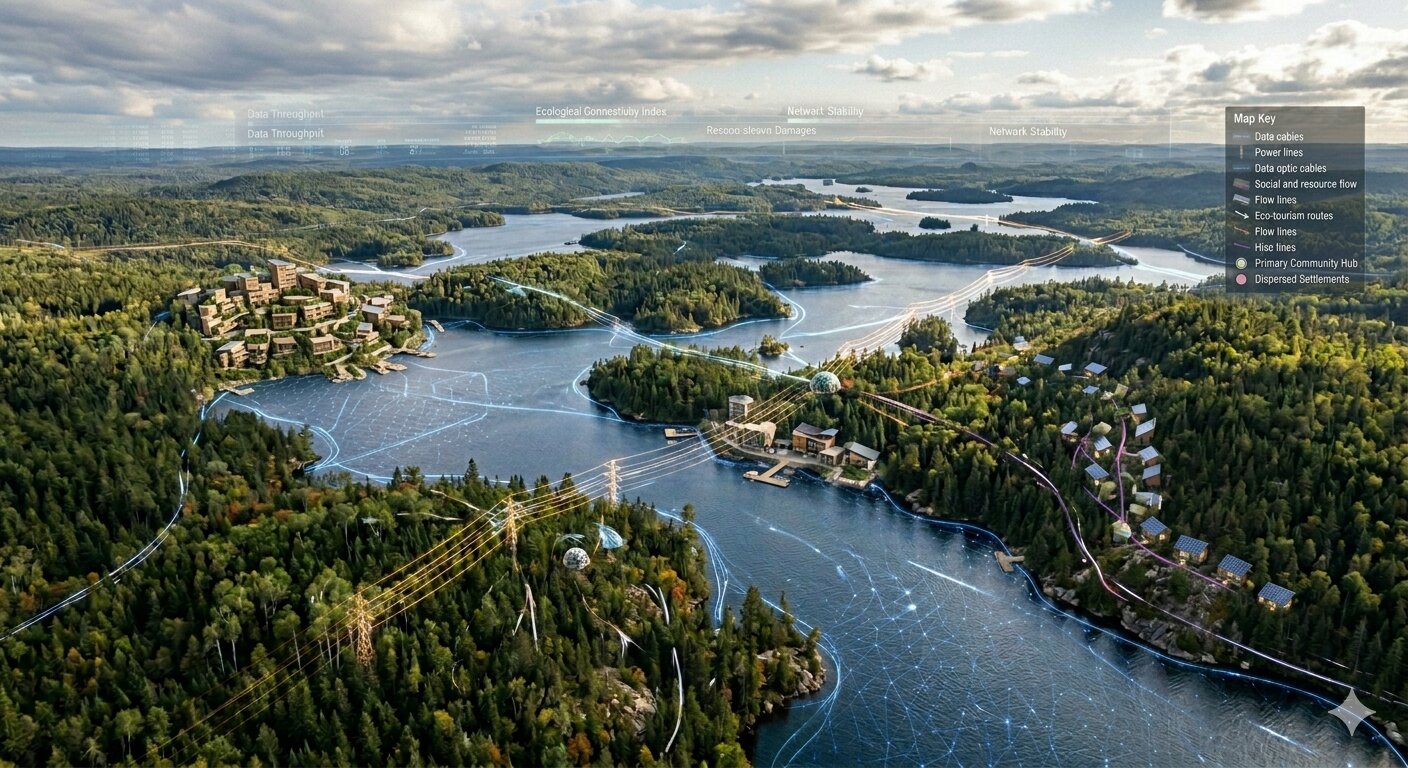
Past client · Canadian Wildlife Service
We measured what a national biodiversity program had no way to see: whether its stakeholder networks were actually working.
For institutional partners & funders
Rigorous climate and social vulnerability assessments, grounded in peer-reviewed science and regional fieldwork.
Read our published researchA people-first lens
From species-at-risk governance in Canada to coffee sector resilience in Latin America, the SNPI framework makes stakeholder collaboration visible, measurable, and actionable.
Read the Canada caseFor businesses & trade
Country-level risk assessments across a 10–30 year horizon, integrating environmental projections with stakeholder network analysis.
Request a country briefingThe challenge
Environmental programmes are measured in hectares, tonnes, and species counts. The collaboration that decides whether those programmes actually work is barely measured at all.
Across conservation governance, carbon markets, and climate adaptation, monitoring infrastructure captures the ecological side in growing detail — and treats the social side as anecdotal. Whether institutions trust one another, share power, learn together, or can act collectively is recorded in narrative reports, if it is recorded at all.
That gap is where well-documented interventions quietly fail: an adaptation measure no local institution has the capacity to implement, a restoration target met on paper by a network that has stopped functioning. Resilience is not a property of an ecological system or a social system alone — it is the measured connection between them.
Dialectik exists to measure that connection. Our role is measurement, not intervention delivery, and that distinction is what keeps the evidence independent.
Our approach
STAND — Spatio-Temporal ANalysis of Drought — tracks drought as a moving object: its extent, its path across a territory, and its predicted effect on crop yield. Run alongside satellite, LiDAR and hydrological analysis, at farm, landscape, or national scale.
The peer-reviewed SNPI framework quantifies stakeholder collaboration, trust-building, power-sharing, and social learning within governance networks through rigorous network metrics.
Social and environmental dimensions are treated as co-equal analytical pillars, producing vulnerability profiles, network performance scores, and decision-ready recommendations.
Where our measurement is used
Conservation agencies and international NGOs running multi-site programmes need to show that coordination is genuinely working — not simply that it was reported. We measure the networks across sites and produce evidence that holds up in upward reporting and funding justification.
Reference: Canadian Wildlife Service — Priority Places for Species at Risk
Nature-based and agriculture-linked projects under Article 6 of the Paris Agreement must show that social criteria are met and verifiable. We provide the independent social evidence layer that the standards assume but rarely measure directly.
Independent measurement of the social criteria these markets increasingly require
Flagship project
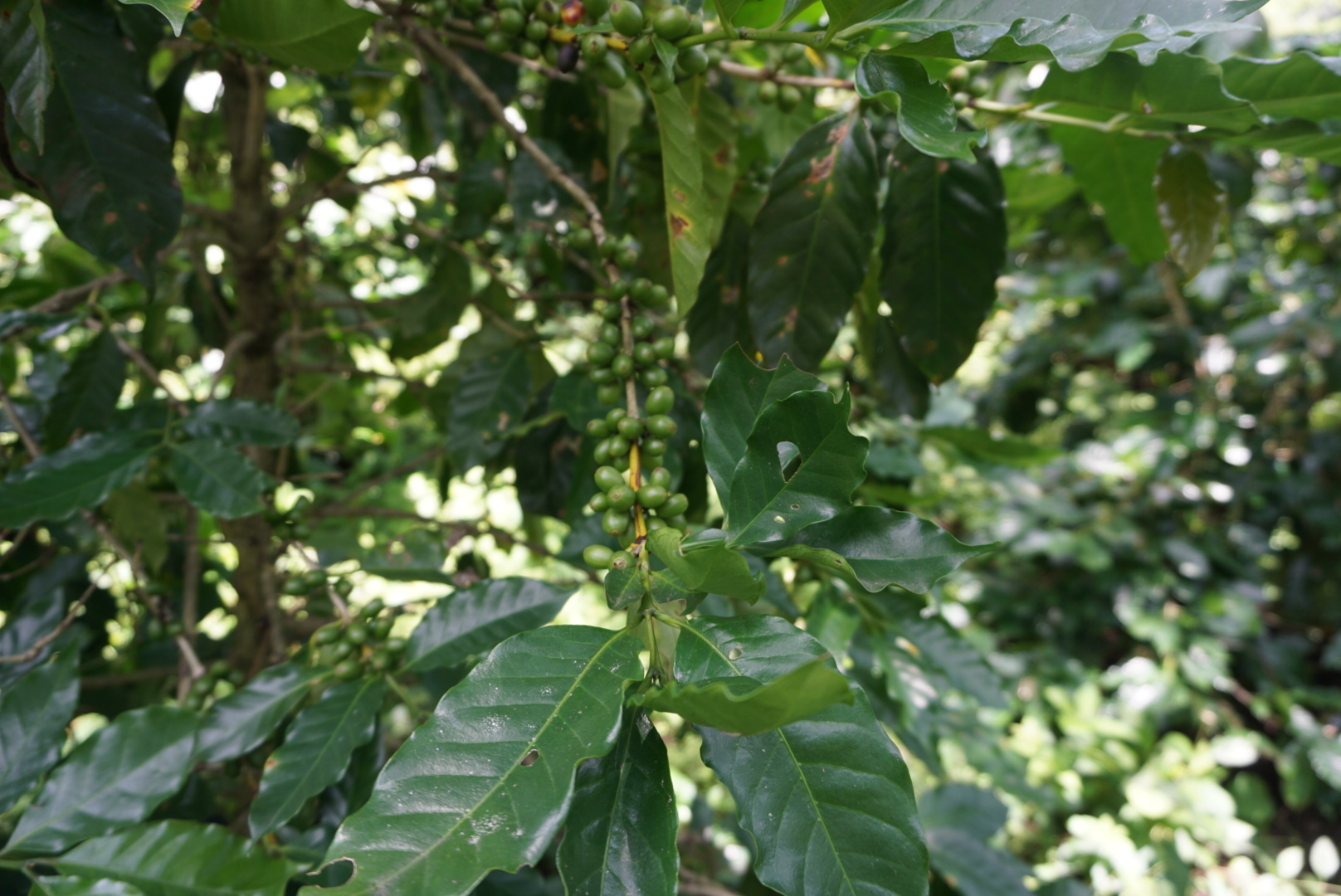
A regional climate and social vulnerability assessment of the Latin American and Caribbean coffee sector — the first large-scale application of the SNPI framework.
Coffee is where both dimensions converge at once. European deforestation regulation demands strict traceability at precisely the moment climate change is reducing the land suitable for Arabica — and the people who understand that threat most closely, the producers and local researchers, are rarely part of deciding how to respond.
We work with producing countries and European partners to measure the climate risk and the institutional capacity to act on it, together and at the same rigour.
Explore the Coffee Initiative→Published research
Our work is grounded in peer-reviewed research published in Environmental Science and Policy, one of the leading journals in environmental governance.
The team

Co-founder · Lead Researcher · Social Network Performance Indicators (SNPI)
Dr. Teodoro is a co-founder of Dialectik and the creator of the Social Network Performance Indicators (SNPI) framework — a systematic approach to quantifying the quality of stakeholder collaboration in environmental governance. His work has been published in Environmental Science and Policy (Elsevier) in both 2024 and 2026, and has been applied to fieldwork in El Salvador, Brazil, and Canada.

Co-founder · Geospatial Data Scientist
Dr. Diaz is Dialectik's environmental science counterpart — a Geospatial Data Scientist at TU Delft, Europe's premier technical university, and an expert in remote sensing, LiDAR observation, hydrological modeling, and drought and flood risk assessment. His work draws on satellite imagery, climate models, and large-scale environmental datasets to quantify physical vulnerability across landscapes.
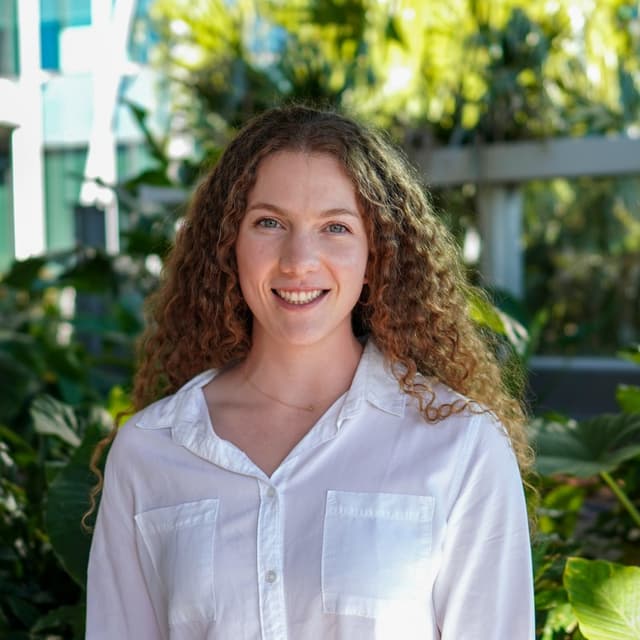
Co-founder · Sustainability Scientist · PhD Candidate
Bridget is an interdisciplinary sustainability scientist focused on collaborative governance, water resources, and network analysis. Her research investigates how patterns of collaboration among decision-making actors reflect the spatial and logistical complexity of the environmental problems they address, drawing on social-ecological resilience thinking and a systems perspective.

PhD Candidate
Henry is a PhD Candidate at IHE Delft Institute for Water Education and Delft University of Technology. His doctoral work is part of the NEXOGENESIS Project — a Horizon 2020 EU initiative assessing the Water–Energy–Food–Ecosystems Nexus and supporting policy evaluation through System Dynamics, Artificial Intelligence, and Machine Learning across five case studies in Europe and Africa.
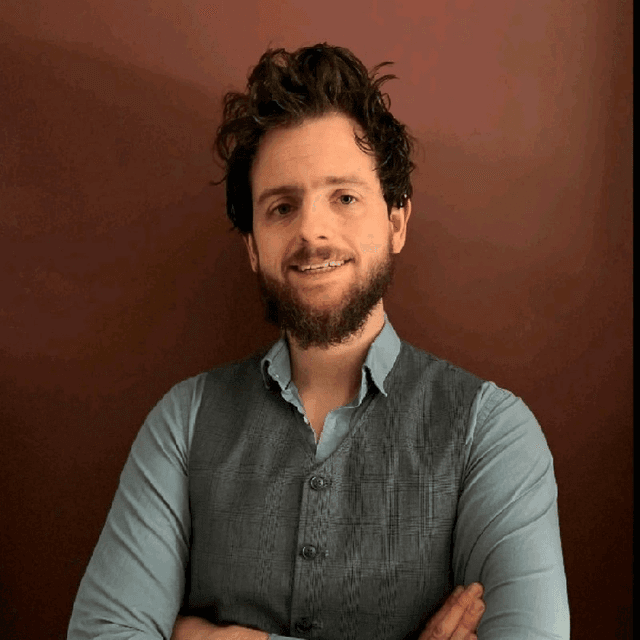
Data Scientist
Rick is a data scientist with 8+ years of experience building end-to-end analytical and machine learning systems. His work spans recommender systems, time-series forecasting, statistical modeling, and applied NLP — translating messy, real-world data into evidence that supports decision-making.
Whether you represent an institutional funder, a coffee sector business, or a fellow research organization, we would welcome a conversation about how our work can support yours.
Start a conversation→